
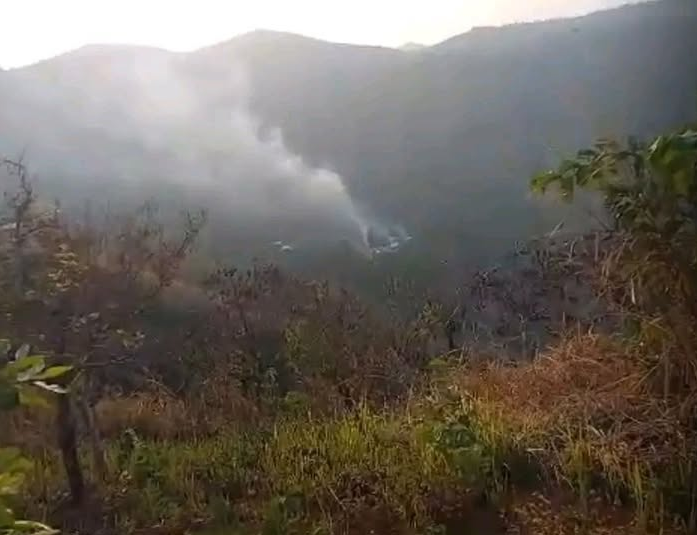
Esfa Statement on Escalating Cross-Border Attacks Allegedly by Armed Fulani Herdsmen From Nigeria and Civilian Protection Failures in Cameroon’s Border Communities in the Northwest And Southwest Regions
We urgently call upon the Government of Cameroon to launch a swift, impartial, and thorough investigation into the escalating violent attacks allegedly perpetrated by armed Fulani herdsmen in some communities in the Northwest and Southwest Regions. These atrocities have left communities devastated, lives shattered, and citizens living in fear. The government must rise to its constitutional and international obligations by securing national borders, protecting vulnerable populations, and ensuring that every citizen enjoys the fundamental right to safety and dignity. Silence and inaction in the face of such violence only embolden perpetrators and deepen the wounds of affected communities. Justice, accountability, and protection are not optional; they are the sacred duties of a state to its people..
Buea, 24 April 2026: Ethical and Sustainable Future for All (ESFA) expresses grave concern over the alarming escalation of violent cross-border attacks, allegedly by armed Fulani herdsmen in Cameroon’s North West and South West Regions, particularly in Akwaya Subdivision (Manyu Division), Menchum Valley, and Donga-Mantung Division. Credible reports, including those from survivors and those documented by media outlets and circulated on social media, indicate that heavily armed groups identified as Fulani armed herdsmen, allegedly crossing from neighbouring Nigeria, have carried out systematic attacks on civilian populations.
These attacks, characterised by killings, forced displacement, destruction of homes and crops, occupation of civilian infrastructure, and the targeting of livelihoods, represent a serious and ongoing threat to fundamental human rights. If urgent and decisive measures are not taken, the situation risks deteriorating into a broader humanitarian and protection crisis.
Patterns of Abuse and Violence
Available information points to a consistent and deeply troubling pattern of violence across multiple localities:
- Targeted Village Attacks and Killings: Communities in Bombe, Mbat, Bakijaw, Ballin, and Bagundu have reportedly come under repeated armed assault. Civilians have been killed, maimed, and forced to flee, often abandoning the bodies of relatives and their belongings. In 2025, OCHA reported that about 5000 people were displaced as a result of the attacks by Fulani armed herdsmen from Nigeria, leading to serious Humanitarian crisis. The attacks still continues.
- Destruction of Property and Forced Displacement: Entire villages, including Upper and Lower Mbat, have been razed. Homes and farms have been destroyed, leaving populations displaced internally or forced to seek refuge across the Nigerian border.
- Occupation of Civilian Infrastructure: Armed groups have reportedly occupied strategic civilian locations, including the residence of Rt. Rev. Fonki Samuel Forba in Bombe and Government Primary School Ebere Ogu near Benakuma in AkwayaThe occupation of schools has disrupted education and endangered children and teachers.
- Threats and Intimidation: Residents attempting to question or resist these incursions have reportedly been threatened with violence. Armed actors have allegedly justified their presence through coercion.
- Destruction of Livelihoods and Risk of Famine: Farmlands have been systematically raided or appropriated for grazing, raising serious concerns about food insecurity and the emergence of famine conditions in affected communities.
These acts collectively constitute grave violations of human rights, including the right to life, security, property, education, and an adequate standard of living. The reported incidents engage multiple legal frameworks under both national and international law:
Akwaya Subdivision, Momo and Donga Matung Division and surrounding areas have long been vulnerable due to their geographic isolation, porous borders, and limited state presence. However, the current situation suggests a dangerous escalation.
Reports indicate that armed groups are not only entering Cameroonian territory but are also establishing control over villages, occupying homes, and displacing populations. Such developments raise fundamental questions about sovereignty, territorial control, and the capacity of state institutions to security in border regions.
Previous appeals by local leaders, including traditional authorities and elected officials, for the enhancement of security presence appear to have gone largely unaddressed. The continued inaction risks normalising these incursions and emboldening perpetrators.
If left unchecked, the current pattern of attacks is likely to produce cascading human rights consequences:
- Expansion of armed violence into additional communities
- Increased civilian casualties and mass displacement
- Entrenchment of land conflicts between herders and local populations
- Recruitment or exploitation of vulnerable populations by armed actors
- Deepening humanitarian crisis, including food insecurity and lack of access to basic services
Calls to Action
In light of the above, Ethical and Sustainable Future for All (ESFA) urgently calls on the Government of Cameroon to take the following measures:
1. Immediate Improvement of the Security in the affected communities
2. Strengthening Border Control: Implement robust border surveillance and control mechanisms to prevent the unlawful entry of armed groups into Cameroonian territory.
3. Protection of Civilians and Infrastructure: Ensure the protection of schools, health facilities, and residential areas, and prohibit their occupation by armed actors under all circumstances.
4. Independent Investigations: Initiate prompt, transparent, and impartial investigations into reported attacks, with a view to holding perpetrators accountable in accordance with the law.
5. Humanitarian Assistance: Provide immediate humanitarian support to affected populations, including shelter, food, medical care, and psychosocial services.
6. Community Engagement and Conflict Prevention: Promote dialogue and conflict resolution mechanisms between local communities and pastoral groups to address longstanding tensions over land and resources.
7. Regional Cooperation: Engage in diplomatic and security cooperation with Nigerian authorities to address cross-border armed movements and ensure coordinated responses.
The situation unfolding in Cameroon’s border communities is a clear and urgent human rights crisis. The reported presence of armed Fulani groups occupying villages, destroying livelihoods, and displacing populations cannot be ignored or minimized.
Failure to act decisively at this stage will not only exacerbate human rights violations but also risk creating a protracted conflict with far-reaching consequences for national stability and regional security.
Ethical and Sustainable Future for All calls on the Government of Cameroon to fulfil its constitutional and international obligations by securing its borders, protecting its citizens, and ensuring that justice and accountability prevail.
The time for action is now
ESFA President, Berinyuy Tardzenyuy, admin@esfaofficial.org, +237 673952090
Download the statemetn below:

